
Invisible Decrease Single Crochet
Invisible Decrease Single Crochet - So, now let me teach you how to crochet invisible decrease using single crochet stitch. The above photo shows the work before the decrease. Next you’ll insert your hook into the front loop of the second stitch. And i’m going to teach you how to do it in 4 easy steps. When to use the invisible decrease. Scroll below for the video tutorial. Web how to work the invisible single crochet decrease materials. Insert your hook into the front loop only of the next stitch (you will have 2 loops on your. Web this crochet tutorial explains how to crochet the invisible single crochet decrease which prevents gaps! Web the invisible single crochet decrease is using the invisible crochet decrease technique, and is an alternative method of decreasing one stitch to the traditional single crochet 2 together. Instead of skipping a stitch and therefore creating a small gap, you insert your hook in the front loop of the next stitch, then in the front loop of the second next stitch, yarn over, pull it through both front loops, and yarn over, and pull through the remaining two loops. Web the steps you take to crochet the 2 stitches together is what makes it invisible. The invisible double crochet decrease is similar to the stitch we just learned! The invisible decrease is best used when there is a clear right and wrong side of the work. The above photo shows the work before the decrease. Begin your single crochet row. This stitch is worked over 2 stitches. Choose the two stitches you want to decrease. Web the invisible decrease however, means we only work in the front loops and as the name suggests, give the decrease an almost seamless, “invisible” appearance. When you finish the round you sl st (slip. Let’s learn how to do the single crochet invisible decrease! Web how to make an invisible decrease, for amigurumi and other pieces worked in the round in single crochet without turning. Web how to work the invisible single crochet decrease materials. The steps in the “invisible decrease” method is more like the steps you take to make a single crochet. Web how to invisible decrease step 1: Next you’ll insert your hook into the front loop of the second stitch. In this crochet tutorial, i'll explain what invisible decreasing in crochet is. Web how to work the invisible single crochet decrease materials. Let’s learn how to do the single crochet invisible decrease! And i’m going to teach you how to do it in 4 easy steps. Web crochet an invisible decrease in single crochet. However, that was not the case for single crochet. The back (unused) loops will appear on the other. Web the invisible decrease however, means we only work in the front loops and as the name suggests, give the. First you will insert your hook into the front loop of the first stitch. The above photo shows the work before the decrease. Web the single crochet invisible decrease is particularly useful for amigurumi, stuffed toys, and most things that you crochet in the round (where the right side of the fabric is always facing out). Web the beautifully neat. However, that was not the case for single crochet. Web the invisible single crochet decrease is using the invisible crochet decrease technique, and is an alternative method of decreasing one stitch to the traditional single crochet 2 together. You can find it here: Scroll below for the video tutorial. The invisible decrease is best used when there is a clear. You can find it here: The photos below will show the technique both ways, although it is most common to use this stitch in the round. Next you’ll insert your hook into the front loop of the second stitch. This stitch is worked over 2 stitches. Choose the two stitches you want to decrease. Insert your hook into the front loop only of the next stitch (you will have 2 loops on your. Insert your hook into the front loop of the first stitch and then into the front. Web this crochet tutorial explains how to crochet the invisible single crochet decrease which prevents gaps! A tutorial by june gilbank (www.plan. Finally i'll include. Web the invisible decrease however, means we only work in the front loops and as the name suggests, give the decrease an almost seamless, “invisible” appearance. This is illustrated in both a video and photo tutorial below. There's a girl from the uk who does a great job explaining. Web i have tried using this technique for other stitches. Web. Web how to invisible decrease step 1: See below for step by step guide on how to do the invisible decrease. Then provide an overview of how to do it for single crochet, half double crochet, double crochet, and treble crochet with step by step tutorials. Web how to make an invisible decrease, for amigurumi and other pieces worked in. Let’s make crocheting even simpler by learning how to crochet an invisible decrease in the single crochet stitch. The invisible double crochet decrease is similar to the stitch we just learned! Finally i'll include tips on. Web the beautifully neat invisible decrease is the perfect way to neaten up your stitches and take your skills to the next level. The. The decrease will be worked over the next 2 stitches as follows. Instead of skipping a stitch and therefore creating a small gap, you insert your hook in the front loop of the next stitch, then in the front loop of the second next stitch, yarn over, pull it through both front loops, and yarn over, and pull through the remaining two loops. And i’m going to teach you how to do it in 4 easy steps. Web what is the invisible double crochet decrease? Begin with a row or round of single crochet stitches. I use this decrease all the time, especially in amigurumi patterns. There's a girl from the uk who does a great job explaining. The back (unused) loops will appear on the other. In this crochet tutorial, i'll explain what invisible decreasing in crochet is. However, that was not the case for single crochet. Web the steps you take to crochet the 2 stitches together is what makes it invisible. Web this crochet tutorial explains how to crochet the invisible single crochet decrease which prevents gaps! It uses the same “front loop” method to create a double crochet decrease that is not as noticeable. When to use the invisible decrease. Web crochet invisible decrease | this simple technique can make a huge difference to you work. Insert your hook into the front loop of the first stitch and then into the front.
How to invisible decrease single crochet Learn to crochet amigurumi

Single Crochet Invisible Decrease StepbyStep Tutorial Invisible
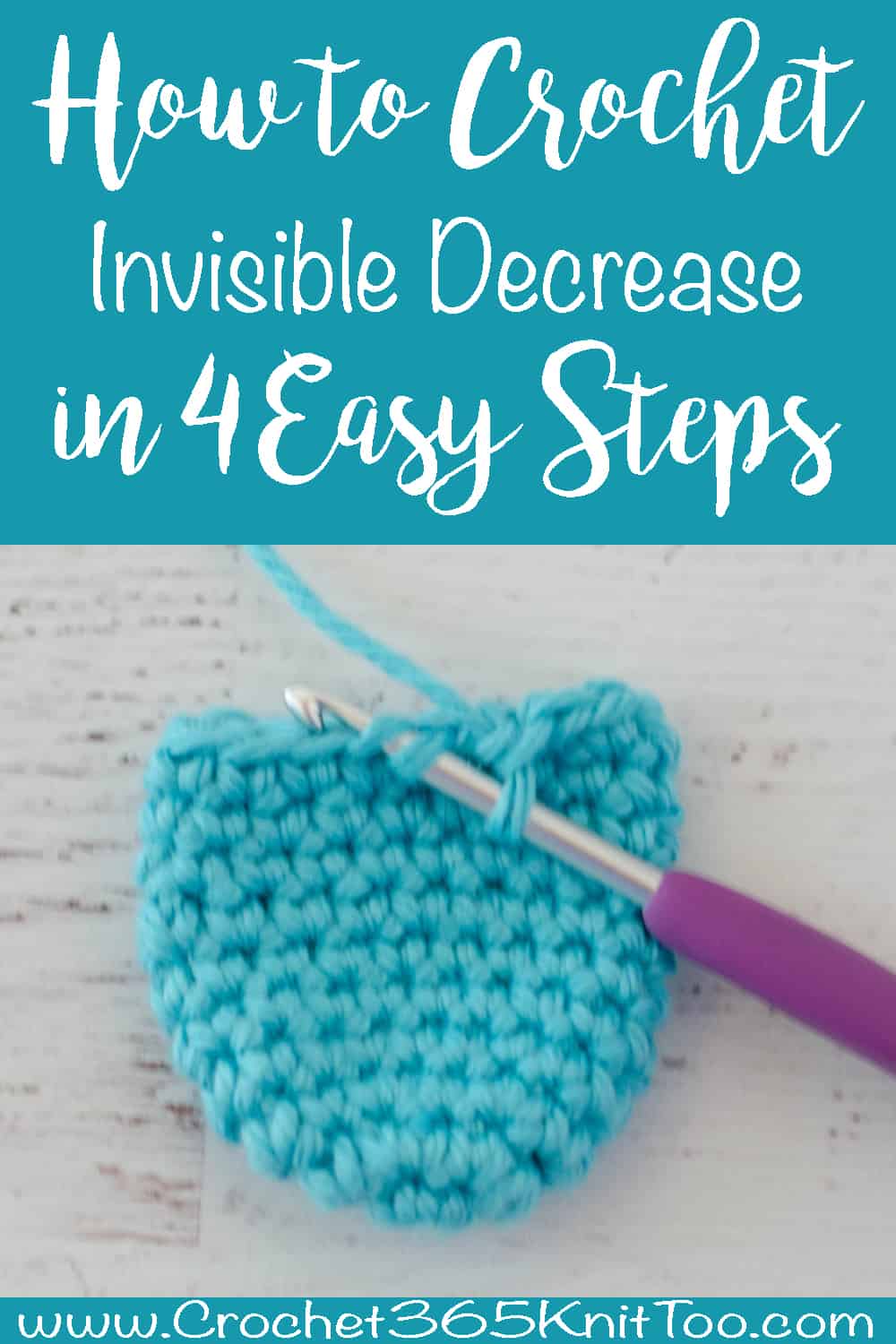
How To Crochet Single Crochet Invisible Decrease Home Healthcare
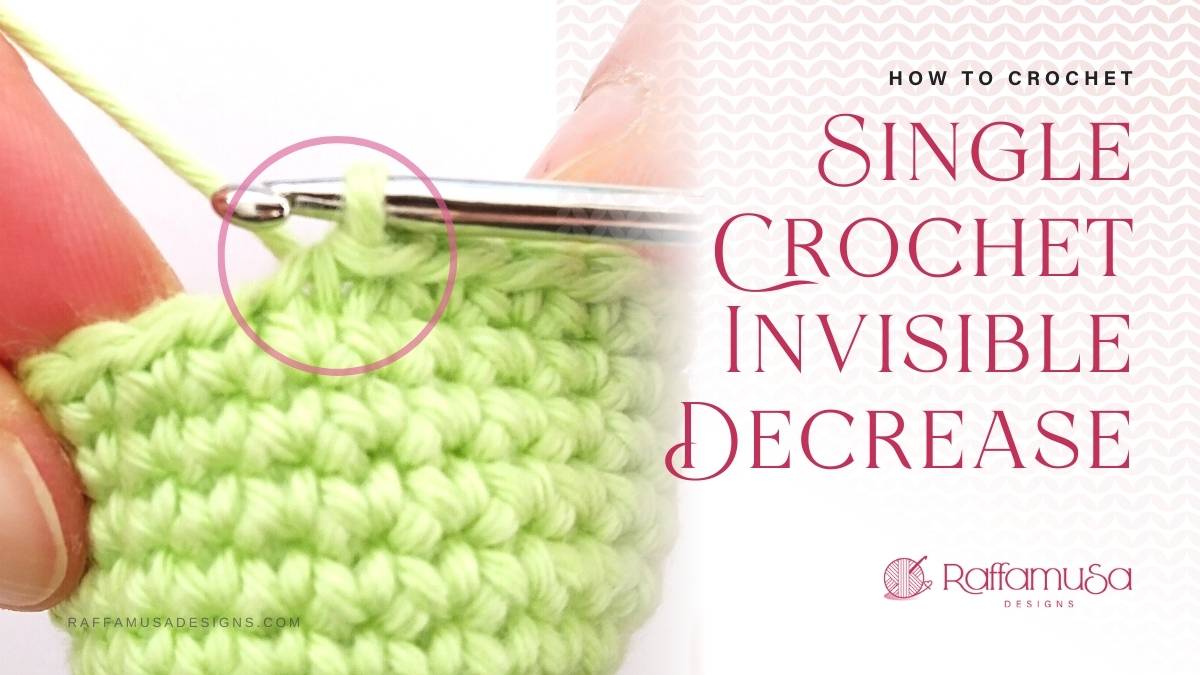
Single Crochet Invisible Decrease StepbyStep Tutorial

How to Crochet Invisible Decrease Nicki's Homemade Crafts

Single crochet invisible decrease step by step tutorial Artofit

How to Single Crochet Decrease (sc2tog) Sarah Maker

How to Single Crochet (sc) for Beginners Sarah Maker

How to make an invisible decrease in single crochet Artofit
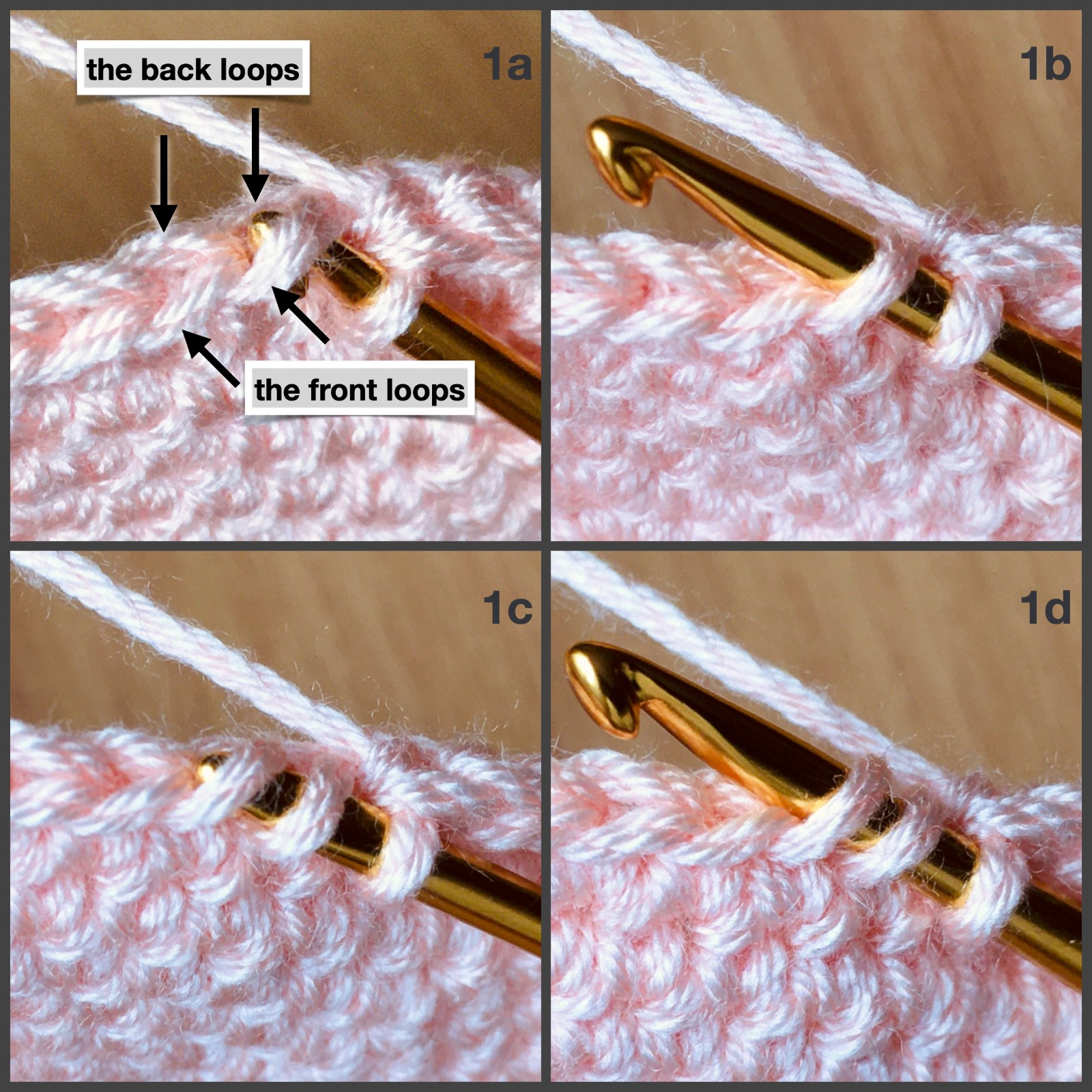
How To Decrease One Single Crochet ( Invisible Decrease )
Web Learn How To Crochet The Invisible Decrease For Your Next Amigurumi Crochet Project!
Should You Use The Invisible Decrease All The Time?
The Photos Below Will Show The Technique Both Ways, Although It Is Most Common To Use This Stitch In The Round.
Web Single Crochet Invisible Decrease Double Crochet Invisible Decrease Half Double Crochet Invisible Decrease Treble Crochet Invisible Decrease.
Related Post: